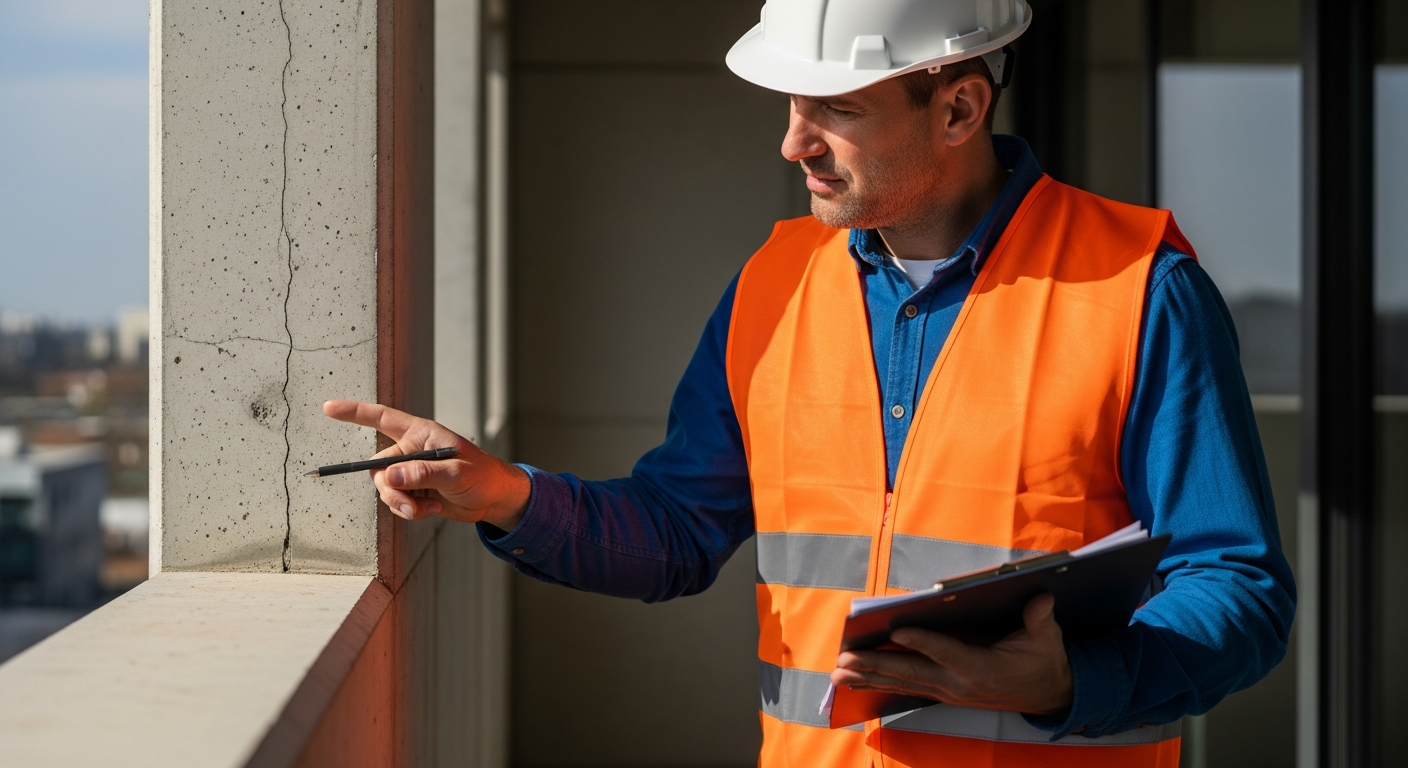
If your apartment building has 3 or more units, California's SB-721 requires periodic inspection of all exterior elevated elements. Here's exactly what happens during the process.
Before the Inspection
Before our team arrives on site, we'll work with you or your property manager to coordinate access and notify residents. Here's how to prepare:
- Clear balconies, decks, and walkways of furniture and personal items
- Ensure access to all units with exterior elevated elements
- Provide building plans or previous inspection reports if available
- Designate a point of contact for the inspection day
Step 1: Visual Assessment
The inspector begins with a thorough visual examination of all exterior elevated elements, including balconies, decks, stairways, walkways, and railings. They look for visible signs of deterioration such as cracking, water staining, rusted fasteners, soft or spongy wood, and separation between components.
SB-721 requires inspection of a minimum 15% of each type of EEE on the property. Our inspectors typically exceed this minimum to provide a more comprehensive picture of your building's condition.
Step 2: Invasive Testing (If Needed)
If the visual inspection reveals signs of concealed damage, the inspector may need to perform minimally invasive testing. This could involve using a borescope (a small camera on a flexible cable) inserted through a small hole to view the hidden framing and waterproofing behind stucco or siding.
Any openings created during testing are properly sealed and patched when we are done. The goal is to see what is behind the surface without major disruption to residents.
Step 3: The Report
Within 5 to 7 business days (or faster with emergency turnaround), you will receive a comprehensive report that includes:
- Photo-documented findings for every element inspected
- Condition ratings: Safe, Repair Required, or Immediate Hazard
- Estimated repair costs broken down by priority level
- Recommended timeline for addressing each deficiency
- Compliance certification for filing with your local building department
What Happens If Issues Are Found?
This is where Datum's integrated approach makes a real difference. Because we are also a Licensed General Contractor, we can provide a remediation bid alongside your inspection report. There is no need to hire a separate contractor, wait for additional bids, or coordinate between firms.
If any element is classified as an immediate threat to safety, the law requires it to be reported to the local enforcement agency within 15 days. We handle this notification process and can begin emergency stabilization work immediately.